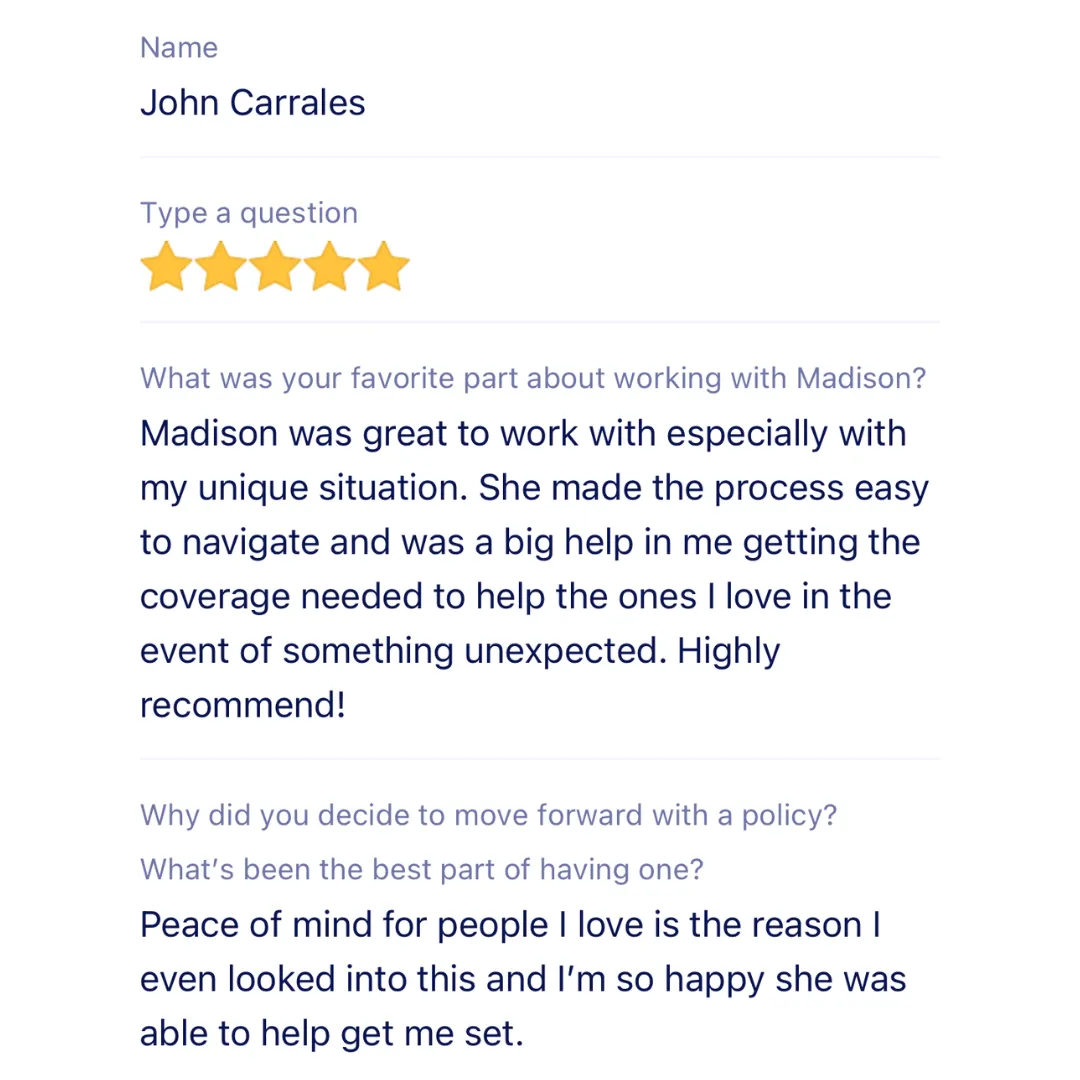
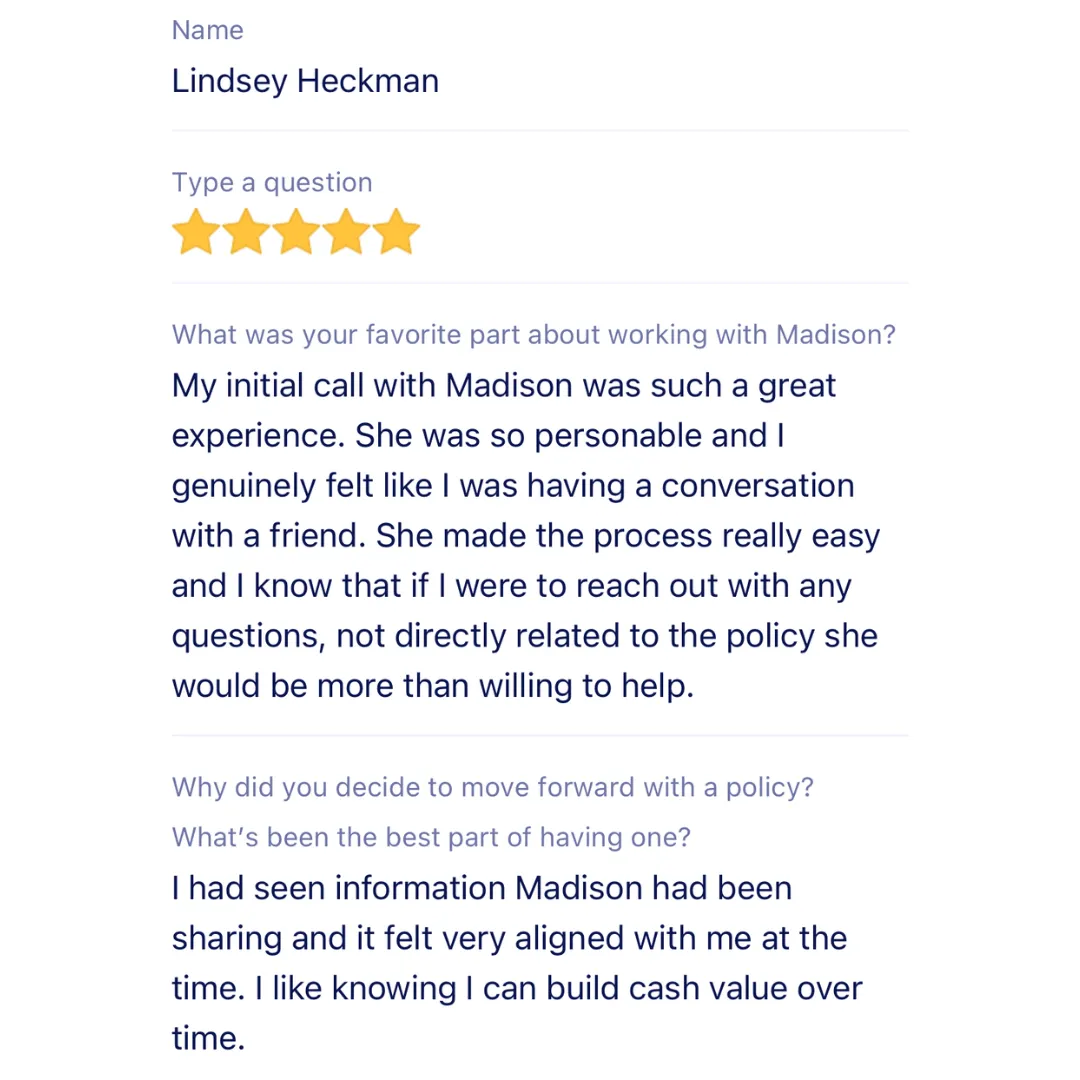
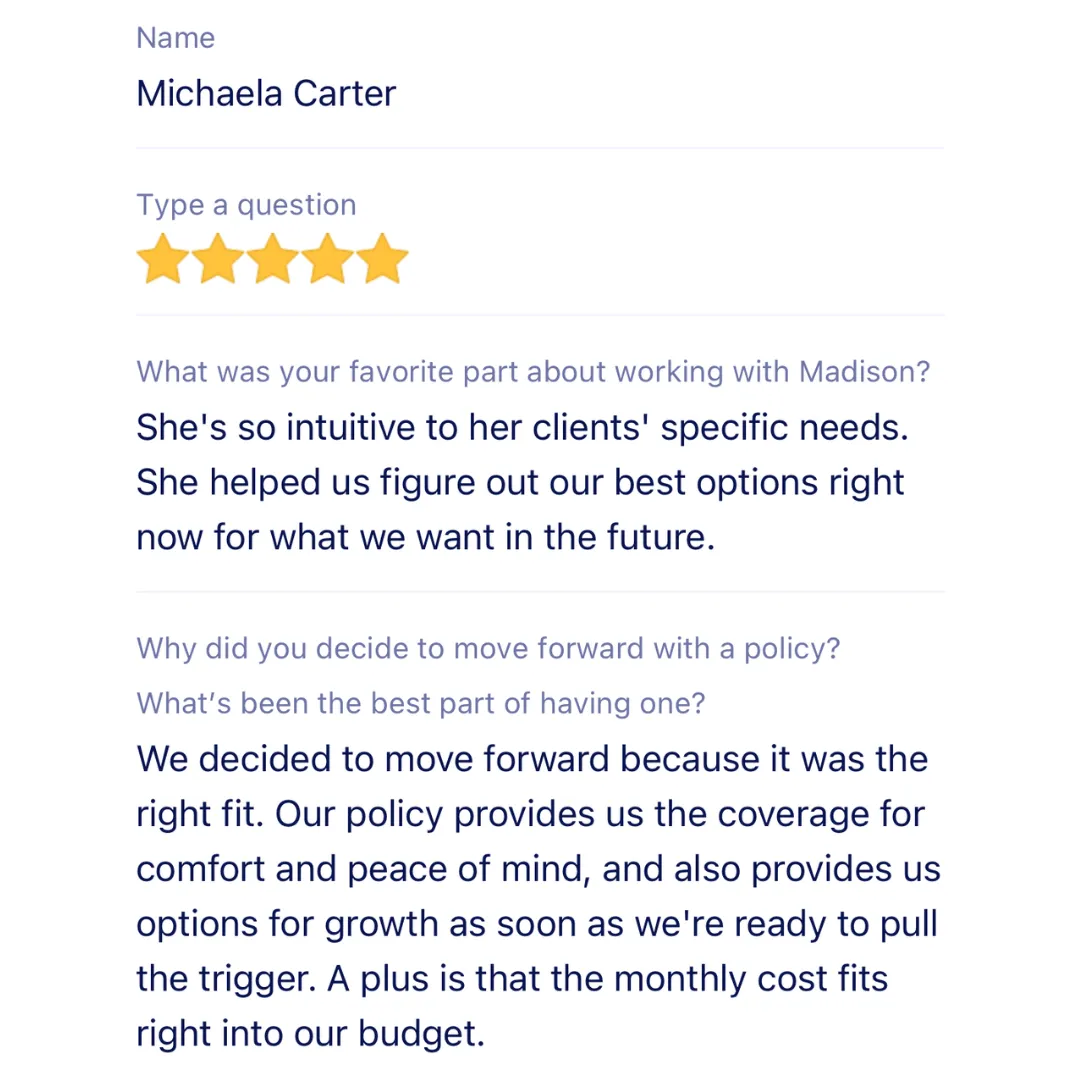
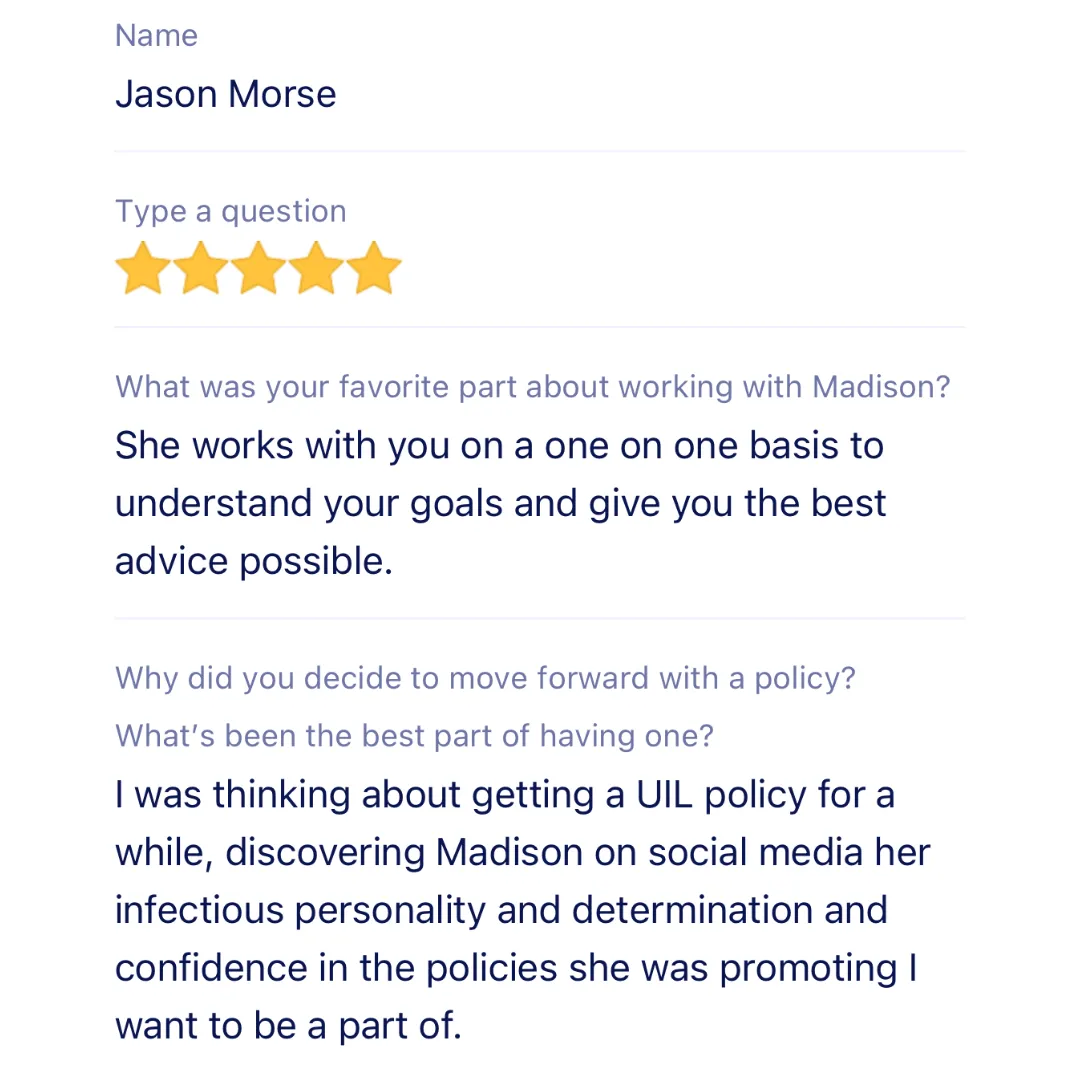
If you run a business, or you're a high-earning W2 employee with a side business or rental real estate, you likely qualify for the same tax-advantaged pension structures Fortune 500 companies have used for decades. This page will tell you plainly whether that's you.
You have the earned structure the tax code rewards. The question is whether it's set up correctly.
These pension structures require earned business income to qualify. Without it, this strategy isn't available to you yet — and we'll tell you that on a call rather than waste your time. Starting even a small, legitimate side business can open the door.
Madison didn't start as a financial strategist. She started as someone who watched nearly half her household's six-figure income disappear to taxes — and got tired of her CPA shrugging it off.
Years ago, while her ex-husband worked oil rigs for weeks at a time, Madison managed a household on one income — earning well over six figures, and losing nearly half of it before it ever hit their account.
"I watched us pay more to the government than we spent on our mortgage, childcare, and groceries combined. When I asked our CPA what we could do about it, he just shrugged and said 'that's how it works.'"
That wasn't good enough. Madison started researching and found that business owners, professional athletes, and Fortune 500 companies had used advanced pension structures for decades — strategies her CPA had never once mentioned. Not because he was hiding them, but because most accountants aren't built for proactive tax planning.
She built the structure for her own family first. Then she got credentialed to build it for others. Today she works alongside one of the leading tax strategy firms in California. Together they've helped hundreds of clients stop overpaying and start building protected, tax-advantaged wealth.
Strategy is built together — on calls, at the table, working through the structure line by line with the people it's built for.
Behind the numbers is someone who's sat exactly where you're sitting — trying to figure out why working hard never seemed to be enough.
Most of what happens in a strategy call isn't about spreadsheets. It's about someone finally getting a straight answer, in plain language, about where their money is actually going.
That's the part Madison cares about most — making sure you leave the conversation understanding your own numbers, not just trusting hers.
— Madison
If you're like most business owners and high-earning professionals, you trust your CPA to handle your taxes. And they probably do a great job.
They file your returns. They keep you compliant. They make sure the numbers add up — every year, on time, without drama.
But here's what we've learned after working with hundreds of clients: most CPAs are trained in tax compliance, not proactive tax planning.
They're excellent at making sure you don't mess up. But they're not equipped to design advanced strategies like pension structures, trust integration, or tax-advantaged insurance planning built around business or real estate income.
It's not that they're hiding anything from you. It's simply outside their expertise.
Filing accurately. Making sure you don't mess up. Keeping you inside the lines the tax code already draws for you — reactive, once-a-year, after the income is already earned.
Designing the structure itself — pension frameworks, trust integration, and tax-advantaged insurance planning built proactively around business or real estate income, before the tax bill is set.
Business owners making the same income as their W2 peers keep significantly more of it — not by cheating, but because the tax code rewards how income is structured, not just how much of it you earn.
Since 2006, the same pension frameworks used by the NFL, Fortune 500 companies, and government agencies have been available to owners of even small side businesses. Most people with a side hustle or a rental property have simply never been told they already qualify.
Federal, state, FICA, self-employment tax — a clear breakdown of your current allocation, business and personal.
The same structure used by the NFL, Fortune 500 companies, and government agencies — and why it was extended to small business and side-business owners in 2006.
Based on your business or real estate income, structure, and goals. Not everyone does — we'll tell you either way, plainly.
If it makes sense, exactly which professionals you'll need and what the process looks like from here.
This is education, not persuasion. We'll show you the numbers and the structure. You decide if it fits. The only thing at risk is staying where you are.
A complimentary strategy consultation with Madison — built for owners, not for W2 income alone.
Book a Call With Madison →